

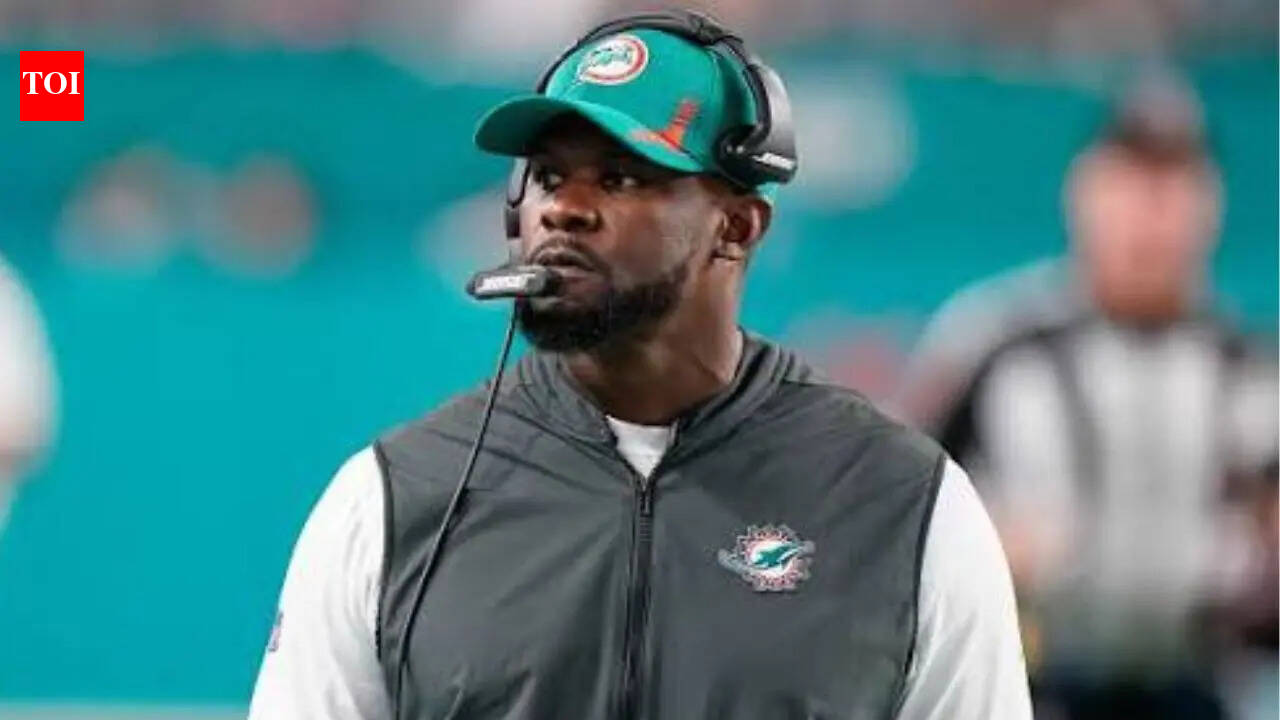
NFL faces growing pressure after Supreme Court backs Brian Flores fight over alleged racial discrimination and unfair hiring
The Supreme Court’s decision to decline the NFL’s appeal in Brian Flores’ racial discrimination case marks a pivotal moment in the ongoing battle for equality and justice in the world of professional sports. This decision allows Flores to continue his legal battle against the Miami Dolphins, New York Giants, and Denver Broncos, who he has accused of unfair treatment in coaching decisions.
Brian Flores, a highly-respected coach in the NFL, made headlines when he filed a lawsuit against the three teams, alleging that he was passed over for head coaching positions because of his race. Flores, who is of African American and Latino descent, claims that he was denied opportunities that were given to less-qualified white candidates. The lawsuit has sparked a national conversation about racism in the NFL and the barriers faced by minority coaches in the league.
The Supreme Court’s decision not to review the NFL’s appeal is significant for several reasons. First and foremost, it sends a powerful message that the highest court in the land is taking issues of racial discrimination seriously. By allowing Flores’ case to proceed in court, the Supreme Court is affirming the importance of addressing systemic racism and inequality in all aspects of society, including professional sports.
Furthermore, the decision has implications for the future of diversity and inclusion in the NFL. The league has long been criticized for its lack of diversity in coaching positions, with only a handful of minority head coaches in a league where the majority of players are people of color. By allowing Flores’ case to move forward, the Supreme Court is signaling to the NFL and other professional sports leagues that they must take proactive steps to address racial discrimination and ensure equal opportunities for all coaches, regardless of their race or background.
The lawsuit filed by Flores has already had a ripple effect throughout the NFL, prompting discussions about hiring practices and diversity initiatives. Several teams have taken steps to increase diversity in their coaching staffs, including the implementation of the “Rooney Rule,” which requires teams to interview minority candidates for head coaching positions. While these efforts are a step in the right direction, many believe that more needs to be done to address the underlying issues of racism and discrimination in the league.
In addition to the legal implications, Flores’ case has also sparked a broader conversation about race and power dynamics in professional sports. The NFL, like many other industries, has a long history of racial inequality and discrimination. Minority coaches and players have often been marginalized and overlooked in favor of their white counterparts, leading to a lack of diversity in leadership positions and a perpetuation of stereotypes and biases.
By bringing his case to court, Flores is not only seeking justice for himself but also shining a light on the broader issues of racism and discrimination in the NFL. His courage and determination have inspired other coaches and players to speak out against injustice and demand change within the league. The Supreme Court’s decision to allow his case to proceed is a victory not only for Flores but for all those who have been affected by racial discrimination in professional sports.
As Flores’ case moves forward in court, it will be closely watched by fans, players, coaches, and league officials alike. The outcome of the lawsuit could have far-reaching implications for the future of diversity and inclusion in the NFL and other professional sports leagues. It is a reminder that the fight for equality is far from over and that there is still much work to be done to ensure that all individuals have an equal opportunity to succeed, regardless of their race or background.
In conclusion, the Supreme Court’s decision to decline the NFL’s appeal in Brian Flores’ racial discrimination case is a significant moment in the ongoing struggle for racial equality in professional sports. By allowing Flores to continue his legal battle against the Miami Dolphins, New York Giants, and Denver Broncos, the court is sending a powerful message that racism and discrimination will not be tolerated in the NFL or any other industry. Flores’ case has sparked important conversations about diversity and inclusion in the league and has inspired others to speak out against injustice. As the case moves forward, it will be crucial to continue the fight for equality and justice for all individuals, both on and off the field.
Source: The Times of India





















 LIVE
LIVE LIVE
LIVE